
by Tom Rudolph and Vince Leonard
Below is a general checklist when creating a large ensemble score for band, orchestra, jazz ensemble or film scores. These are addressed in the Berklee Online Dorico course and the Berklee Online Sibelius course.
“Make it impossible to be misunderstood.” — Bill Duncan
Title Page 1
[ ] Includes title and composer (if applicable, also arranger)
Title Page 2 – Instrumentation Page
[ ] Lists all required instruments
[ ] If writing for an orchestral, jazz, or band score and there are any transposing instruments, indicate that the score is in Transposing Pitch
[ ] If writing a film score, indicate that the score is in Concert Pitch
[ ] Includes the total duration of the piece
First Page of the Score (with notation)
[ ] Displays title and composer (if applicable, also arranger and lyricist) at the top
[ ] Includes a copyright notice at the bottom of the first page of the score.
(for example: Copyright © [year] [owner])
Layout & Score Order
[ ] Follows standard score order
[ ] Layout is adjusted for clear readability
[ ] Full player names appear on the first page
[ ] Abbreviated player names appear on subsequent pages
Tempo & Rehearsal Marks
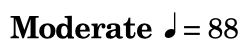
[ ] Tempo marking with metronome value in bar 1 (for example:
[ ] Tempo changes are included as needed (rit., accel., a tempo, fermata, caesura)
[ ] Expressive text is used to suggest musical mood (for example, flowing, tender, intense)
[ ] Rehearsal marks are placed at key structural points (not in bar 1)
Dynamics & Articulation
[ ] Dynamics are included at the first entrance for each player
[ ] Hairpins (crescendo/diminuendo) include beginning and ending dynamics when appropriate
[ ] The proofreading feature in Dorico Pro 6 and later versions is used to verify dynamics and consistency
Slurs & Playing Techniques
[ ] Slurs indicate tonguing (winds/brass) and bowing (strings)
[ ] Articulations (for example, staccato, tenuto, accents) are included
[ ] String techniques such as divisi, unison, pizzicato, and arco are labeled
[ ] Brass and woodwind notations like solo, unis., and mute are used as needed
[ ] Percussion staves include player names
[ ] Timpani parts show initial tuning and notate when the drums must be retuned
[ ] Harp parts include pedal markings when necessary
Staff Visibility
[ ] Do not hide empty staves in orchestral or band scores unless reducing page count. If staves are hidden, all instruments must be shown on page 1
[ ] In vocal scores with piano, hide empty vocal staves during piano-only passages
The checklist above was inspired by Ben Newhouse’s original orchestration guidelines.
Instructor profile: https://online.berklee.edu/instructors/ben-newhouse
Original checklist (archived): https://web.archive.org/web/20190212214154/http://bennewhousemusic.com/blog/orchestral-score-notation-checklist/
 Making the Most of Notation Software
Great information to have! It is much appreciated, Thanks
LikeLike
Much appreciated! Your information really helps
LikeLike
This is very helpful and much appreciated!!
LikeLike